Microdermabrasion
What Is Microdermabrasion?
Microdermabrasion is a non-invasive skin resurfacing treatment that gently exfoliates the outermost layer of dead, dull skin cells. Using either fine crystals or a diamond-tipped wand, it mechanically polishes the skin’s surface and vacuums away debris, revealing smoother, brighter, and more even-looking skin underneath.
Because it works at a superficial level, microdermabrasion is an excellent option for improving overall skin tone and texture with minimal downtime. It’s commonly used to address:
- Dull or rough skin
- Mild discoloration and sun damage
- Dry, flaky patches
- Congested pores and uneven texture
- Early fine lines and superficial imperfections
Microdermabrasion is suitable for most skin types and is often used as a maintenance or “glow” treatment to keep the complexion looking refreshed and polished.
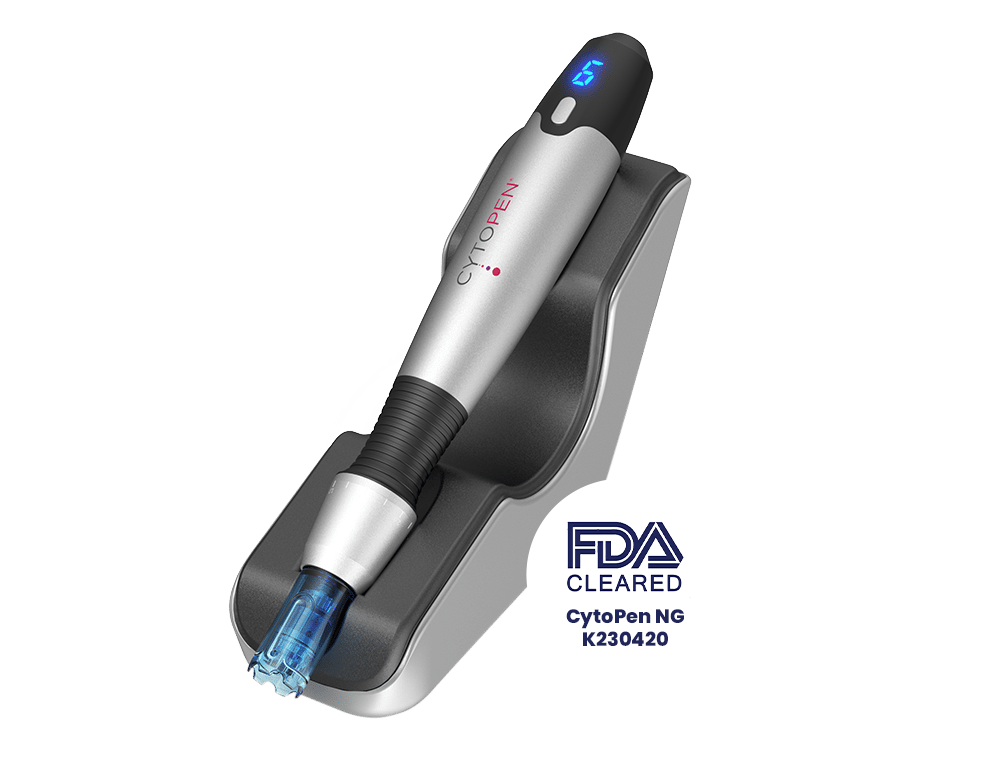
Cytopen by Emage
This FDA‑cleared professional microneedling and microderm device combines electric and battery‑powered freedom with precision engineering, offering dual scalloped tips (36‑needle and 12‑needle), an anodized aluminum shell, and a German motor with three speed settings. With 2 mm depth control, a Nano tip option for microdermabrasion, and a secure screw‑in cartridge mechanism, the CytoPen® S2 delivers dramatic collagen‑boosting results with little to no downtime or discomfort.
4 Reason Why People Choose Microdermabrasion
01
Instantly Refresh Dull, Tired-Looking Skin
Microdermabrasion removes the build-up of dead skin cells that can make your complexion look flat and uneven, leaving skin visibly brighter and more radiant after just one session.
02
To Smooth Texture and Minimize Pores
By refining the outer layer of skin, microdermabrasion helps soften rough patches, smooth uneven texture, and improve the appearance of enlarged pores.
03
Improve the Look of Mild Discoloration
Regular treatments can help fade the appearance of mild sun damage, surface pigmentation, and uneven tone, creating a more uniform complexion over time.
04
To Enhance the Effectiveness of Skincare Products
By clearing away dead skin cells at the surface, microdermabrasion allows serums and moisturizers to absorb more effectively, boosting the performance of your at-home skincare routine.
How Microdermabrasion Treatments Work in Practice
During a microdermabrasion treatment, your skin is cleansed, then a handheld device is passed across the treatment area in smooth, even strokes. Depending on the system used, the device may:
- Use a diamond-tipped wand that gently abrades the skin while a vacuum removes loosened skin cells, or
- Use a stream of fine crystals that lightly “polish” the skin’s surface as suction collects the used crystals and skin debris.
Most people describe the sensation as a mild scratching or sanding feeling combined with light suction—noticeable but very tolerable.
A typical treatment:
- Takes about 20–30 minutes for the face
- May be extended to include the neck, chest, or other areas
- Requires no anesthesia or numbing
- Leaves the skin slightly pink and feeling smooth and clean
After treatment, a soothing moisturizer and sunscreen are applied. Many people can return to normal activities immediately, with only mild redness that fades quickly. For best results, microdermabrasion is often performed as a series of treatments (for example, every 2–4 weeks) and then maintained periodically as part of a regular skincare regimen.
Benefits of Microdermabrasion
Brighter, More Radiant Skin
Removes the layer of dead skin cells that can make the complexion look dull, revealing a fresher, more luminous glow.
Smoother Texture
Helps soften rough patches and uneven texture, leaving the skin feeling softer, silkier, and more refined.
Helps Minimize Pores & Congestion
The exfoliating action and suction help clear debris from pores, improving the look of clogged or enlarged pores.
Improves the Look of Mild Discoloration
With consistent treatments, microdermabrasion can soften the appearance of mild sun damage, age spots, and uneven tone.
Non-Invasive with Minimal Downtime
No needles, no chemicals, and typically no significant recovery time—most patients resume normal routines right away.
Boosts Product Absorption
By clearing away dead skin at the surface, your skincare products can penetrate more effectively, making your overall routine work harder for you.
FAQs
Got a question? We’re here to help.
How often should I get microdermabrasion for best results?
Many people start with a series of treatments every 2–4 weeks, then move into a maintenance schedule—such as once a month or as recommended by their provider—to keep the skin smooth, clear, and bright.
Is microdermabrasion good for acne or acne scars?
Microdermabrasion can help with congested skin and mild textural acne scarring by removing surface dead skin cells and refining texture. However, it is generally not performed over active, inflamed acne lesions. Your provider will assess whether microdermabrasion, or another treatment, is best for your type of acne or scars.
Can microdermabrasion help with hyperpigmentation and dark spots?
Microdermabrasion can improve the appearance of mild, superficial hyperpigmentation by accelerating cell turnover and exfoliating discolored surface cells. For deeper or more stubborn pigmentation, it’s often combined with other treatments like chemical peels, brightening skincare, or laser procedures.
What does skin look like right after microdermabrasion?
Right after treatment, skin may appear slightly pink or flushed and feel smooth, clean, and lightly sensitive—similar to a mild windburn. This usually fades within a few hours to a day, and makeup can typically be worn shortly after, depending on your provider’s instructions.
Is microdermabrasion safe for sensitive skin?
Microdermabrasion can be adjusted to be gentler for more sensitive skin, but not everyone is a candidate. Those with very reactive, rosacea-prone, or fragile skin may need modified treatments or alternative options. A professional consultation is important to determine if microdermabrasion is appropriate and at what intensity.
Microdermabrasion Science & Safety
Microdermabrasion has been used in dermatology and aesthetics for many years as a mechanical exfoliation technique that safely removes the outermost layer of the stratum corneum (the top layer of the epidermis).
By doing so, it stimulates:
- Increased cell turnover
- Improved circulation at the skin’s surface
- A mild renewal response that can enhance skin texture and tone over time
Because microdermabrasion acts only on the superficial layer of the skin, it is considered a low-risk, non-invasive procedure when performed correctly by trained professionals using appropriate equipment.
Common, short-lived side effects can include:
- Temporary redness or mild swelling
- Light sensitivity or tightness
- Mild flaking or dryness as the skin renews
- These effects usually resolve quickly with proper aftercare and consistent use of moisturizer and sunscreen.