Chemical Peels
What Is a Chemical Peel?
A chemical peel is a professional skin-resurfacing treatment that uses a carefully selected blend of exfoliating ingredients to gently remove damaged outer layers of the skin. By dissolving the bonds between dull, dead cells at the surface, chemical peels encourage faster cell turnover, revealing fresher, smoother, more even-toned skin underneath.
At Luminé Aesthetics, we offer medical-grade peels in different strengths—such as Illuminize® (a gentle “glow” peel with minimal downtime) and Vitalize® (a more corrective peel for visible discoloration, fine lines, and texture concerns).
Chemical peels can help improve:
- Uneven skin tone and sun damage
- Dark spots and post-inflammatory discoloration
- Early fine lines and photoaging
- Mild acne and congestion
- Overall texture, clarity, and radiance
Each peel is selected and customized based on your unique skin type, concerns, and tolerance.
Four Reasons People Choose Chemical Peels
01
To Fade Dark Spots and Sun Damage
Chemical peels help break up and shed discolored surface cells, softening the look of dark spots, sun damage, and uneven tone for a clearer, more uniform complexion.
02
To Brighten Dull, Tired-Looking Skin
By accelerating cell turnover, peels reveal fresher skin and restore a healthy, luminous glow—making them a favorite before events or as part of a seasonal skin refresh.
03
To Smooth Fine Lines and Texture
Regular peels can soften the appearance of fine lines, rough patches, and enlarged pores, improving overall skin softness and refinement.
04
To Kickstart Visible Change with a Non-Invasive Treatment
Chemical peels provide real, noticeable improvement without surgery. With options like Illuminize® (minimal downtime) and Vitalize® (more corrective), your provider can match the peel strength to your goals and lifestyle.
How Treatment Works in Practice
Consultation & Skin Evaluation
Your treatment begins with a professional skin consultation. We discuss your concerns—such as pigmentation, fine lines, or acne—review your skincare routine and medical history, and determine whether a gentle Illuminize®-type peel or a more corrective Vitalize®-type peel is best for you.
You may be advised to:
- Avoid retinoids, exfoliating acids, and waxing for several days before treatment
- Protect your skin from sun exposure leading up to your peel
Preparing the Skin
In the treatment room, your skin is:
- Thoroughly cleansed
- Degreased with a prepping solution to remove oils and ensure even penetration
Sensitive areas like the corners of the nose, mouth, and eyes are protected as needed.
Applying the Peel
Your provider applies the chemical peel solution in one or more passes:
- You may feel a warm, tingling, or mild stinging sensation while the peel is active
- For gentler peels like Illuminize®, you’ll usually experience a mild warmth and little to no visible peeling afterward
- For stronger peels like Vitalize®, you may feel more intense tingling and see noticeable peeling over the following days
Some peels are self-neutralizing and left on the skin; others may be neutralized after a specific time.
Post-Treatment & Downtime
Immediately after, your skin may look:
- Pink or slightly flushed
- Tight or dry
- Glowy and fresh
Over the next several days:
- Illuminize®-type peels: Minimal to no visible peeling, just a brighter, more radiant look.
- Vitalize®-type peels: Mild to moderate flaking or sheet peeling typically starts around day 2–3 and may last a few days.
You’ll be given clear aftercare instructions, which usually include:
- Gentle cleanser and soothing moisturizer
- Avoiding picking or peeling the skin
- Avoiding strenuous heat, saunas, and intense exercise for a short period
- Strict
daily SPF and sun avoidance while the skin is healing
Benefits of Chemical Peels
Brighter, More Even Skin Tone
Helps reduce the look of dark spots, sun damage, and discoloration so your complexion appears clearer and more uniform.
Smoother Texture & Refined Pores
Softens rough patches, smooths uneven texture, and can improve the appearance of enlarged pores for silkier, more polished skin.
Softens Fine Lines and Early Aging
By stimulating cell turnover and renewing the upper layers of the skin, peels can diminish the appearance of fine lines and photoaging.
Customizable Strength for Different Skin Needs
From gentle Illuminize®-style glow peels to more corrective Vitalize®-style treatments, your peel can be adjusted based on sensitivity, downtime tolerance, and desired results.
Enhances Other Treatments & Skincare
Chemical peels pair beautifully with other services (like microneedling and neuromodulators) and improve penetration of medical-grade skincare products.
Non-Surgical, Office-Based Procedure
Peels deliver visible improvement without incisions, with treatments usually completed in under 30 minutes and manageable downtime.
FAQs
Got a question? We’re here to help.
How often should I get a chemical peel for dark spots and uneven skin tone?
For pigmentation and sun damage, many patients benefit from a series of peels—often every 3–4 weeks for several sessions—followed by maintenance peels a few times a year. The exact frequency depends on the type of peel, your skin’s response, and your goals.
What is the difference between an Illuminize®-type peel and a Vitalize®-type peel?
In general, Illuminize®-style peels are gentler, with minimal visible peeling and very little downtime—ideal for a glow before an event or for sensitive skin. Vitalize®-style peels are stronger, targeting more noticeable discoloration, fine lines, and texture. They often involve visible peeling over several days but deliver more dramatic correction.
How long does peeling last after a chemical peel?
Peeling time depends on the strength of the peel:
- Gentle peels may cause very light flaking (or none) that lasts a day or two.
- Stronger peels, such as a Vitalize®-type peel, often cause visible peeling from day 2–5, sometimes a bit longer.
During this time, you’ll use soothing skincare and avoid picking at the skin so it can shed evenly.
Are chemical peels safe for darker skin tones?
Yes—superficial to light-medium chemical peels can be safe and effective for darker skin tones when carefully selected and applied by an experienced provider. Extra care is taken in peel choice, strength, and pre/post-care to minimize the risk of post-inflammatory hyperpigmentation. A thorough consultation is important to decide the best approach for your skin.
When can I wear makeup after a chemical peel?
With gentle peels, many patients can wear makeup as soon as the next day, as long as the skin is not overly irritated. After stronger peels, it’s typically recommended to wait until the initial redness calms and any active peeling has subsided or is minimal—often 2–3 days—and then use non-comedogenic, mineral-based makeup if needed. Your provider will give you specific guidance based on the peel you receive.
Chemical Peel Science & Safety
Chemical peels work through controlled chemical exfoliation of the outer skin layers. Ingredients such as alpha-hydroxy acids (AHAs) like lactic or glycolic acid, beta-hydroxy acids (BHAs) like salicylic acid, and agents like resorcinol and retinoids are used in specific combinations and strengths to:
- Loosen the bonds between dead surface cells
- Stimulate increased cell turnover
- Encourage more uniform pigment distribution
- Promote smoother texture and improved light reflection on the skin
With repeated superficial to light-medium peels, the skin can appear:
- Brighter and more even in tone
- Smoother and softer
- Less lined and more refined
Safety Profile
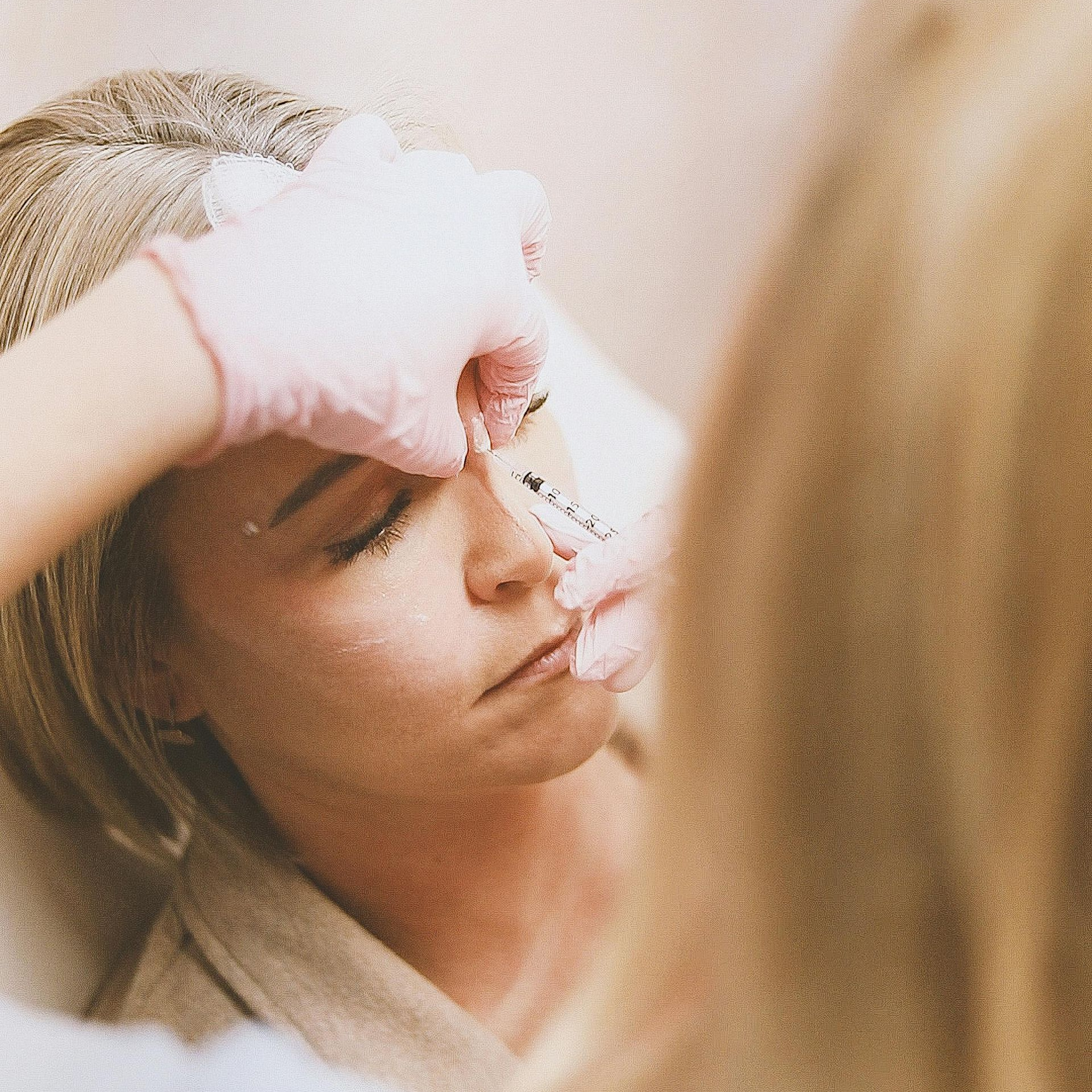
When performed by licensed professionals in a medical setting, chemical peels have a well-established safety profile, especially at the superficial and light-medium depths used in most aesthetic practices.
At Luminé Aesthetics, every chemical peel is performed under medical guidance, with peel choice and strength tailored to your skin type, sensitivity, and goals. This ensures that your treatment is not only effective—but also as safe and comfortable as possible.