Botox®
What Is Botox®
Botox® Cosmetic (onabotulinumtoxinA) is a purified forms of botulinum toxin type A—medication used in very small, controlled doses to relax specific facial muscles that cause expression lines. They are classified as acetylcholine release inhibitors and neuromuscular blocking agents, meaning they temporarily block the nerve signals that tell the muscle to contract.
4 Reason Why People Choose Botox®
01
Smooth Forehead Lines & Frown Lines
Many people choose Botox to soften horizontal forehead lines and the “11” lines between the brows, creating a more relaxed, refreshed appearance without looking “overdone.”
02
Soften Crow’s Feet Around the Eyes
Fine lines at the outer corners of the eyes are often some of the first visible signs of aging. Neuromodulators help soften these lines, so the eye area looks smoother while still allowing natural expression.
03
Look More Rested & Refreshed
Even when you feel great, deep lines can make you look tired or stressed. Smoothing dynamic wrinkles can give you a rested, approachable look that better reflects how you feel on the inside.
04
Prevent Wrinkles from Deepening Over Time
By relaxing the muscles that repeatedly fold the skin, Botox can help slow the formation and progression of deeper wrinkles, making them popular both as corrective and preventative treatments.
How Treatment Works in Practice
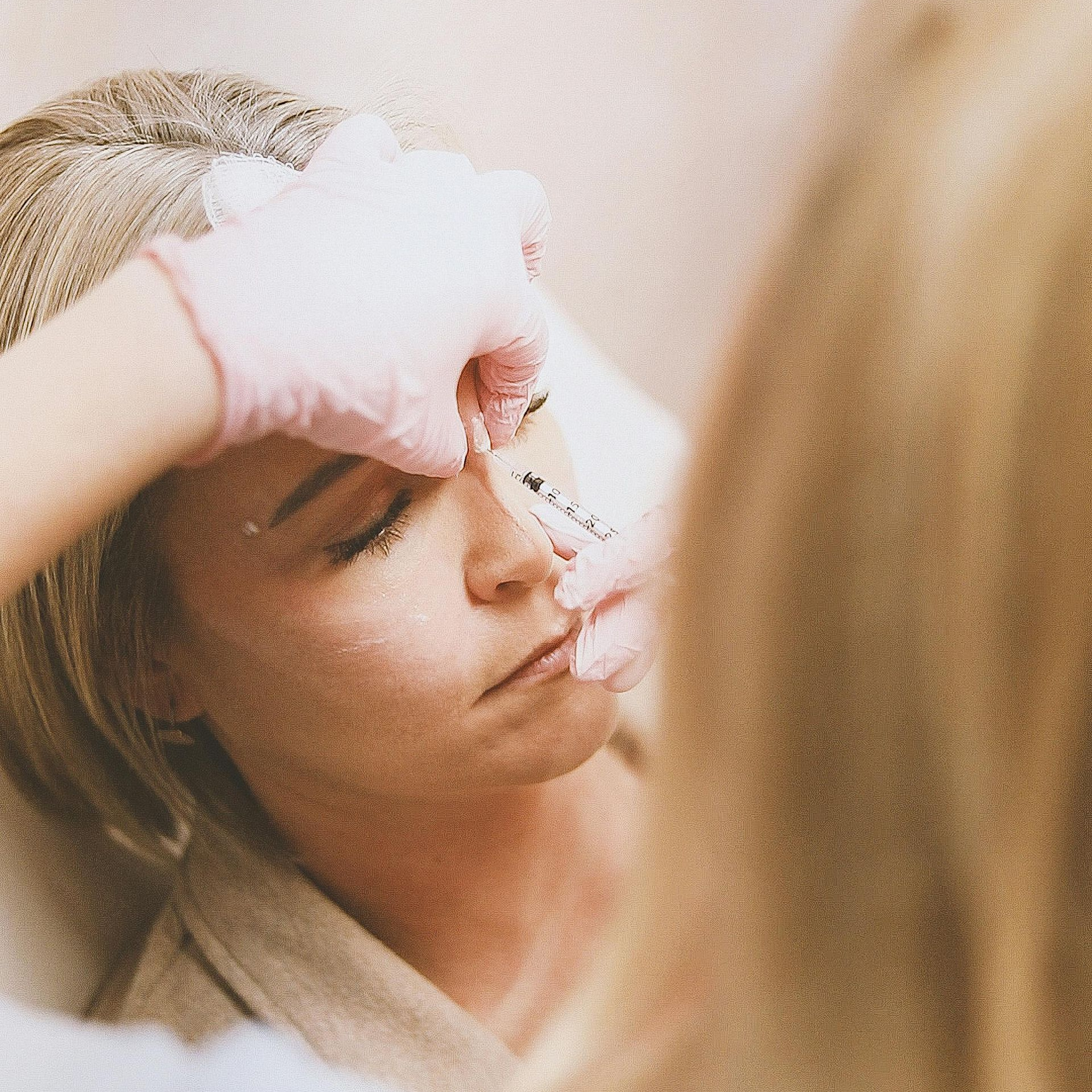
During a treatment, very small amounts of Botox are injected into specific facial muscles using a fine needle. Most patients describe the sensation as quick pinches. The treatment typically takes about 10–20 minutes, depending on the number of areas treated.
Early effects are often noticed in 3–5 days, with full results around 10–14 days.
Results commonly last about 3–4 months, though this varies by area and individual factors like muscle strength and metabolism.
Botox treatments fit easily into a lunch break, with minimal to no downtime. Most people return to normal activities the same day, following their provider’s post-treatment instructions.
Benefits of Botox®
Softer Lines & Wrinkles
Targets dynamic wrinkles like forehead lines, frown lines, and crow’s feet for a smoother, more youthful appearance.
Natural-Looking Results
When dosed and placed correctly, results look refreshed—not frozen—so you still look like yourself, just more relaxed.
Convenient Appointments
Treatments typically take 10–20 minutes and require little to no downtime, making them easy to fit into a busy schedule.
Preventative Anti-Aging
Regular treatments can help slow the deepening of expression lines over time by reducing repetitive creasing of the skin.
Customizable Treatment Areas
From brow lines to crow’s feet, dosing and placement can be tailored to your unique anatomy and goals.
Well-Studied & Widely Used
Botulinum toxin type A has decades of clinical use and is one of the most researched and performed cosmetic procedures worldwide.
FAQs
Got a question? We’re here to help.
How long does Botox last in the forehead and frown lines?
Most patients notice results lasting about 3–4 months for forehead and frown lines, though this can vary based on muscle strength, metabolism, and how often you’ve been treated in the past. Some people find their results last slightly shorter or longer.
Is Botox safe for wrinkles around the eyes (crow’s feet)?
Yes. Both Botox Cosmetic are FDA-approved for the temporary improvement of lateral canthal lines—commonly known as crow’s feet—when administered by trained medical professionals. These treatments have been studied extensively and have a well-documented safety profile.
What is the difference between Botox and Xeomin for facial wrinkles?
Both are botulinum toxin type A neuromodulators with similar mechanisms of action and clinical results. Xeomin is often described as a “naked” neurotoxin because it lacks complexing proteins present in some other formulations, but both products are FDA-approved and effective for treating frown lines and other upper-face wrinkles. Your provider will help determine which is best for you.
How soon will I see results after Botox injections?
You may start to see improvement in 3–5 days, with full results typically visible around 10–14 days after treatment. This timeline is similar for both Botox and Xeomin.
What are the common side effects of Botox injections?
Common side effects include mild redness, swelling, bruising at the injection site, temporary headache, or a feeling of tightness. Less commonly, temporary eyelid or brow drooping can occur if the product diffuses outside the intended muscle. These effects are typically mild and self-limited when injections are performed by experienced providers using proper technique.
Botox® Science & Safety
Evidence-Based, FDA-Approved Treatments:
Botulinum toxin type A has been studied extensively for aesthetic use, particularly for glabellar lines. Controlled, double-blind, randomized trials have demonstrated significant wrinkle reduction and high patient satisfaction when injections are performed with proper dosing and technique.
Key points:
- Botox Cosmetic first received FDA approval for aesthetic use in 2002 for glabellar lines, with subsequent approvals for crow’s feet in 2013 and forehead lines in 2017.
How They Work (The Science)
Botulinum toxin type A blocks the release of acetylcholine at the neuromuscular junction, temporarily reducing muscle contraction. This relaxation of the underlying muscle leads to a smoother appearance of overlying wrinkles and expression lines.
- Peak effect typically occurs within 30 days after injection.
- Median duration of cosmetic effect is around 3–4 months, with some patients experiencing longer or shorter durations.
Safety Profile
When administered by trained, licensed professionals using FDA-approved products, botulinum toxin type A has a well-established safety profile:
- The most common side effects are mild and temporary: injection-site pain, bruising, headache, or mild eyelid/eyebrow droop, which typically resolve on their own.
- Serious adverse events are rare and are more likely when products are used improperly, at incorrect doses, or by unqualified injectors.
In large clinical trials, treatment of glabellar lines with botulinum toxin type A was shown to be both effective and well tolerated, with high patient satisfaction and low complication rates.
How Common Are These Treatments?
Botulinum toxin type A remains the most common non-surgical cosmetic procedure worldwide, with about 8.8 million procedures performed by plastic surgeons in 2023.
In the United States, recent data from the American Society of Plastic Surgeons show millions of botulinum toxin type A procedures annually, reinforcing its role as a mainstream, trusted aesthetic treatment.
Botox Cosmetic is FDA-approved for the temporary improvement in the appearance of:
- Moderate to severe glabellar (“frown”) lines between the brows
- Moderate to severe lateral canthal lines (“crow’s feet”)
- Moderate to severe forehead lines
Xeomin was first approved in 2011 for:
- Temporary improvement in the appearance of moderate to severe glabellar lines
In 2024, the FDA expanded Xeomin’s aesthetic indication to also include:
- Horizontal forehead lines
- Lateral canthal lines (crow’s feet)